The Ultimate Guide to Team Building in Modern Organizations (2026)
TeamEX Delhi
The Ultimate Guide to Team Building in Modern Organizations (2026)
Let’s be honest.
Team Building isn't just about games anymore.
Most organizations today are packed with smart, capable people. Great CVs. Solid experience. Impressive LinkedIn headlines.
Yet somehow deadlines slip, meetings drag, silos grow, and Slack becomes the most passive-aggressive place on earth.
Welcome to modern work.
In 2026, skills alone don’t win. Teams do.
With hybrid setups, fast decision cycles, and constant pressure to perform, success now depends on how well people work together, not just how good they are individually.
At TeamEx, after working with 120+ brands, we’ve learned one thing clearly:
A team that trusts and communicates will always outperform a room full of talented individuals working in isolation.
This guide breaks down what team building really means today, why it matters more than ever, and how organizations can do it right without forced fun or awkward games.
Traditional Organizations vs Modern Organizations (And Why the Old Playbook Is Failing)
Before we talk about solutions, let’s address the elephant in the meeting room.
Traditional Organizations
Hierarchy-driven (decisions go up, stress comes down)
Departments work in silos
Communication flows top-down
Team building = annual offsite + trust fall
This model worked when work was predictable and change was slow.
Modern Organizations
Cross-functional and agile
Decisions happen faster and closer to the ground
Teams collaborate across roles, locations, and time zones
Team building is continuous, intentional, and outcome-driven
In short:
Traditional organizations manage people. Modern organizations enable teams.
And enabling teams requires more than policies; it requires shared experiences that build trust, clarity, and collaboration.
What Team Building Really Means in Modern Organizations
Team building is not:
A picnic
A one-day outing
A break from “real work”
Modern team building is a strategic process designed to improve:
Communication
Trust
Collaboration
Problem-solving
Alignment with business goals
The goal isn’t fun for the sake of fun.
The goal is better behaviour at work.
When done right, team building changes how people show up in meetings, handle conflict, and deliver outcomes.
Why Team Building Is Essential in 2026
1. Because Communication Is Broken And Emails Won’t Fix It
Let’s be honest: most organizations don’t have a communication problem, they have an over-communication problem.
Endless emails. Long Slack threads. Meeting after meeting.
And yet, people still leave meetings confused, misaligned, or quietly frustrated.
That’s because communication breakdown isn’t about lack of information. It’s about lack of clarity, context, and connection.
Emails can share updates, but they can’t:
Build trust
Read body language
Encourage honest dialogue
Resolve unspoken tension
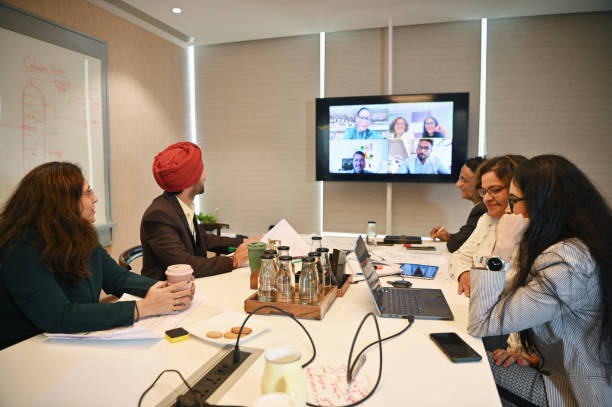
In modern organizations, especially hybrid and remote teams people often receive information but don’t truly understand each other.
This is where team building plays a critical role.
2. Because Problems Are Too Complex for Lone Heroes.
The “hero employee” myth needs to retire.
In the past, one highly skilled individual could often solve problems alone. But modern organizations don’t operate in simple environments anymore. Today’s challenges involve multiple stakeholders, tight timelines, evolving data, and constant change.
No single person, no matter how brilliant, has the full picture.
Complex problems now require:
Cross-functional thinking
Diverse perspectives
Faster collective decision-making
Shared accountability
When teams rely on lone heroes, organizations face hidden risks:
Knowledge silos
Burnout
Delayed decisions
Fragile success dependent on one person
Effective team building helps organizations shift from individual brilliance to collective intelligence.
3. Because Accountability Can’t Be Forced
Accountability doesn’t come from policies, reminders, or follow-up emails with “Just checking in” written at the top.
It comes from ownership.
In many organizations, accountability is treated like a rule, something to be enforced.
But when people feel disconnected from their team, accountability becomes transactional. Tasks get done because they have to, not because people care about the outcome.
You can’t force someone to:
Take responsibility
Own a mistake
Step in when things go wrong
But you can create an environment where accountability feels natural.
Strong team building creates that environment by:
Building trust among team members
Making roles and expectations clear
Encouraging shared ownership of outcomes
When people feel connected to their team, they stop asking:
“Is this my job?”
And start thinking:
“If this fails, we all fail so let’s fix it.”
That shift is powerful.
4. Because Engagement Is a Business Metric
Engagement is often mistaken for a “feel-good” concept.
But in modern organizations, engagement isn’t about fun Fridays or occasional offsites; it's a measurable business driver.
Engaged employees:
Perform better
Collaborate faster
Take fewer sick days
Stay longer with the organization
Disengaged employees, on the other hand, don’t always quit, they stay and quietly slow everything down.
That’s why leading organizations now track engagement just like they track:
Productivity
Attrition
Customer satisfaction
Team building directly influences engagement by creating:
A sense of belonging
Emotional investment in outcomes
Stronger peer relationships
When employees feel connected to their team, work stops feeling like a checklist and starts feeling meaningful.
And here’s the key insight:
You can’t spreadsheet your way to engagement.
It’s built through shared experiences, trust, and human connection the exact outcomes effective team building is designed to deliver.
5. Because Leaders Don’t Always Reveal Themselves in Meeting
Meetings are great at many things.
Revealing true leadership isn’t always one of them.
In conference rooms, leadership often looks polished, well-prepared slides, confident voices, and structured updates. But real leadership shows up under pressure, uncertainty, and shared challenges.
Team building environments reveal what meetings can’t:
Who steps up when plans fail
Who listens before speaking
Who brings others along instead of taking control
Who stays calm when things get uncomfortable
These moments expose leadership traits that résumés and performance reviews often miss.
That’s why modern organizations use team building not just for bonding, but as a leadership discovery tool.
Great leaders aren’t always the loudest voice in the room.
Sometimes, they’re the ones holding the team together when no one is watching.
A Practical Team Building Process That Actually Works
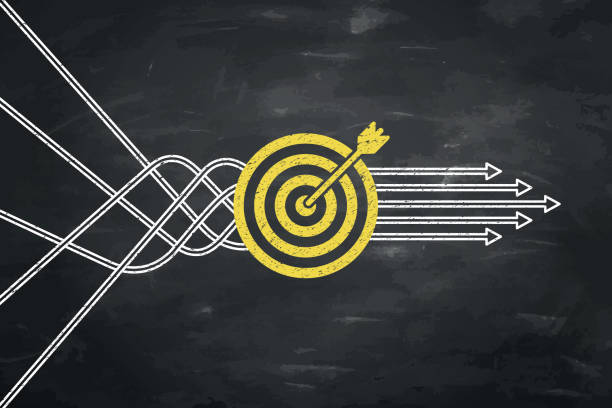
1. Start With Clarity (Not Activities)
Team building doesn’t start with games.
It starts with why.
Before planning experiences, organizations must be clear on:
What the team is responsible for
What success looks like
What behaviours need to change
Without clarity, even the most fun activities become forgettable moments instead of lasting impact.
Clear goals turn activities into outcomes.
2. Define Roles So Assumptions Don’t Run the Show
When roles aren’t clear, assumptions take over.
And assumptions are rarely accurate.
Clear role definition:
Reduces friction
Prevents overlap
Builds confidence in delegation
High-performing teams don’t waste energy figuring out who should do what.
They focus on doing the work well.
3. Use Shared Experiences to Unlock Honest Communication
Honest communication doesn’t come from “open-door policies”.
It comes from shared moments.
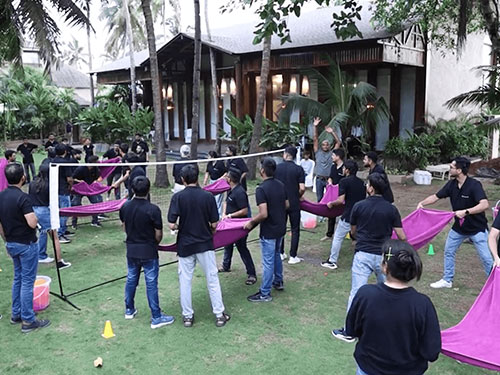
When teams experience challenges together, barriers fall naturally. People speak more freely, listen better, and understand each other beyond job titles.
Shared experiences turn polite conversations into real dialogue.
4. Build Trust Through Interdependence
Trust doesn’t grow from motivational speeches.
It grows when people depend on each other to succeed.
When tasks are designed so no one can win alone, teams learn:
To rely on each other
To communicate clearly
To respect different strengths
Interdependence creates real trust, the kind that shows up during deadlines and crises.
5. Reinforce Collaboration as a Core Value
Trust without collaboration limits impact.
Collaboration becomes powerful when it’s:
Expected
Encouraged
Reinforced consistently
Team building experiences that reward group success help break silos and replace competition with cooperation.
In modern organizations, collaboration isn’t optional, it's operational.
6. Recognize Ownership (Not Just Results)
Results matter. But how results are achieved matters just as much.
Recognizing ownership means appreciating:
Accountability
Initiative
Integrity
Willingness to step up
When organizations reward ownership, people stop hiding mistakes and start solving problems.
That’s when teams mature.
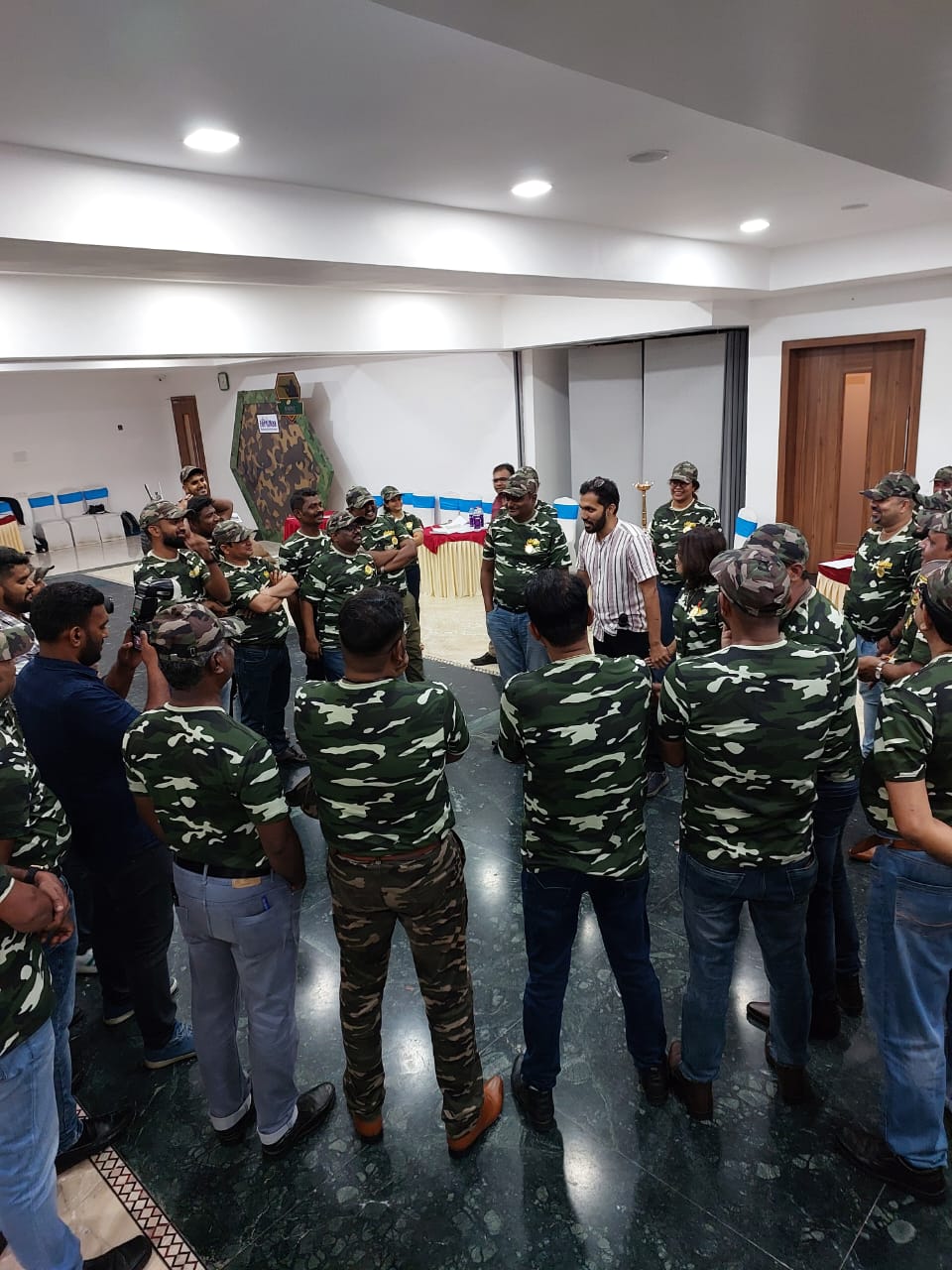
How TeamEx Builds Teams That Perform
TeamEx, we don’t design activities, we design outcomes.
Our approach is built on:
Deep understanding of business goals
Custom-designed team experiences
Scalable solutions for every team size
Measurable behavioural impact
Trusted by 120+ leading brands, we help organizations move beyond surface-level engagement to build teams that truly perform.
Better Teams. Bigger Impact.
Final Thoughts
Team building isn’t a checkbox.
It’s a strategic investment in how your organization works.
The companies that win in 2026 won’t just have great talent, they'll have teams that trust, communicate, and execute together.
If you’re ready to move beyond surface-level engagement and build teams that truly perform, TeamEx is ready to partner with you.
Better Teams. Bigger Impact.
Get latest insights into our new exciting activities.
.jpg)


.jpg)







.jpg)






 (1).jpg)
.JPG)
.jpg)